

Mary Anning
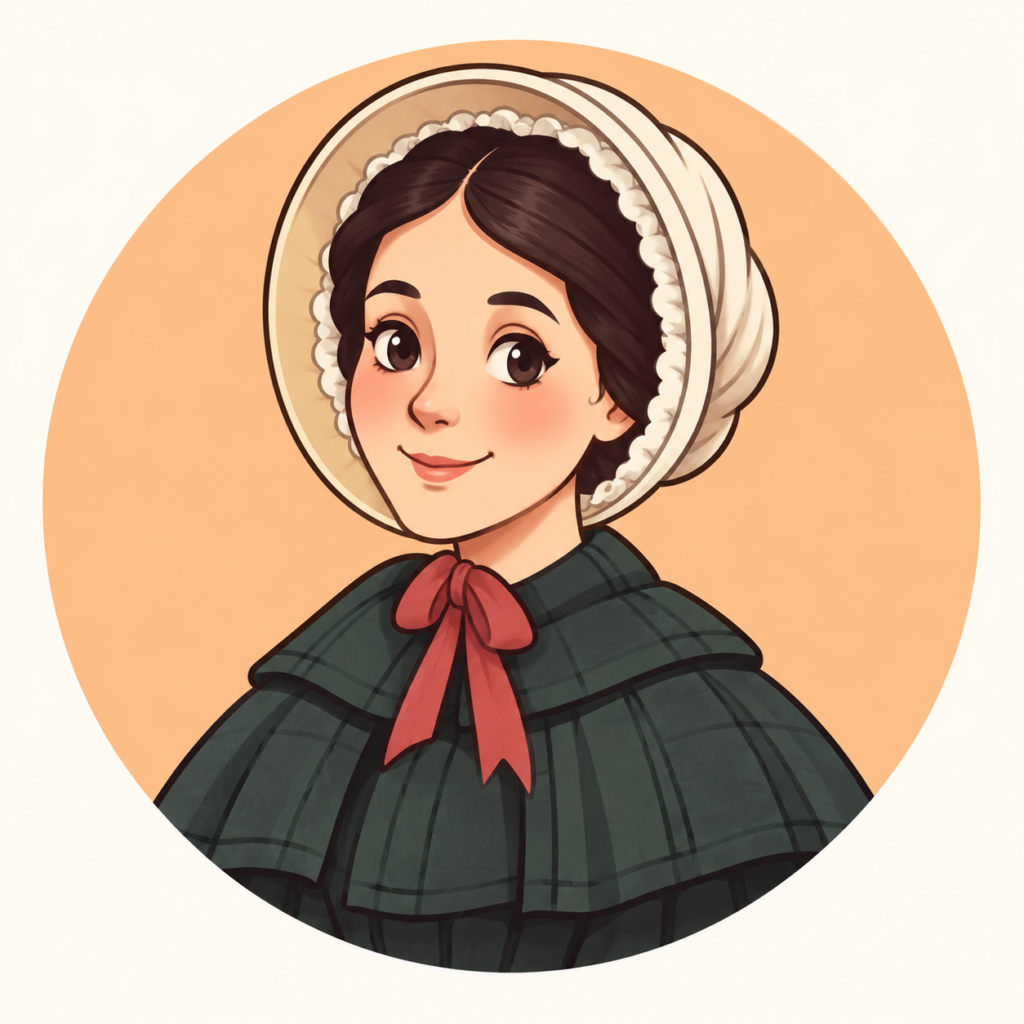
English fossil collector and self-taught paleontologist whose discoveries shaped early scientific understanding of prehistoric life.
Leonhard Euler
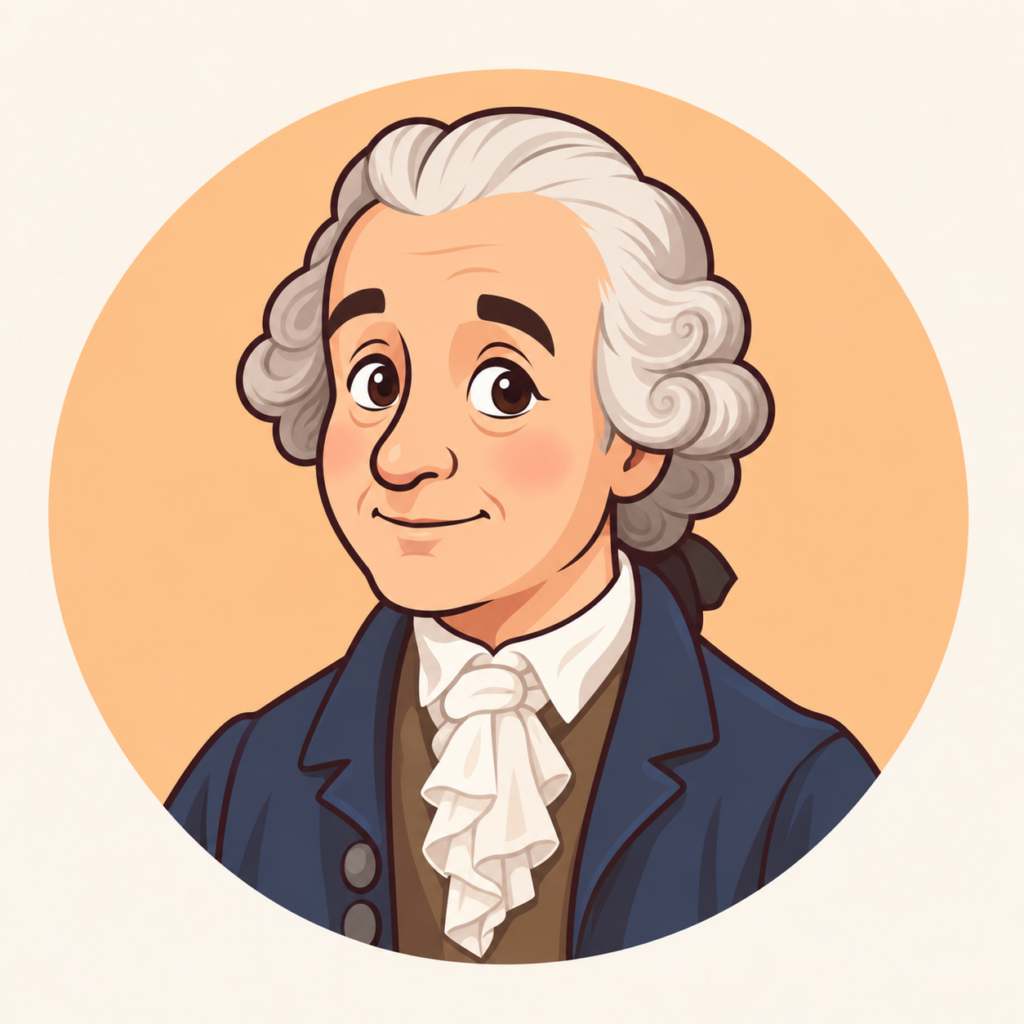
Swiss mathematician who worked in almost every field of science and introduced much of the mathematical notation still used today.
Rosalind Franklin

British chemist and X-ray crystallographer whose critical images of DNA led to the discovery of its double helix structure.
Thales de Milet
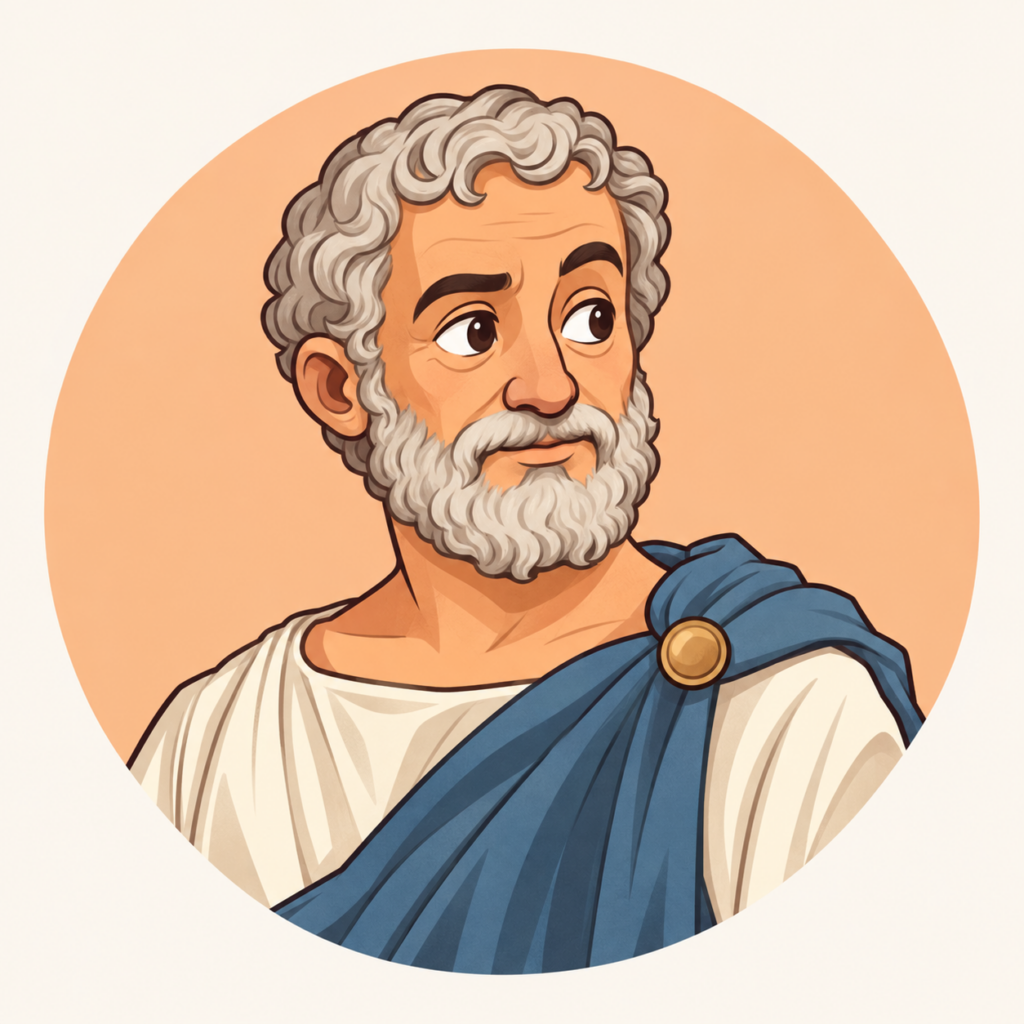
Ancient Greek philosopher, mathematician, and astronomer, widely considered the founder of Western philosophy and early geometry.
Pythagoras
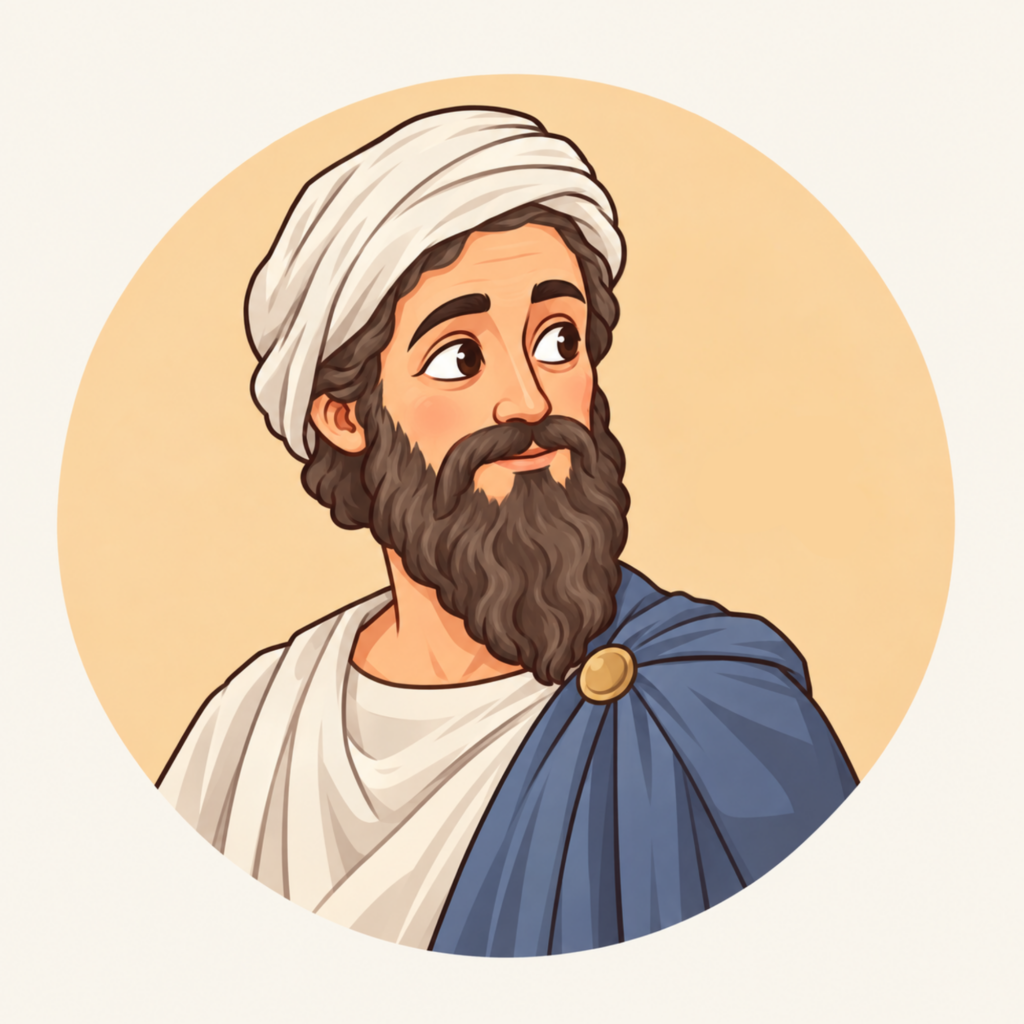
Ancient Greek philosopher and mathematician best known for the Pythagorean theorem and for founding the Pythagorean community.
Emmy Noether
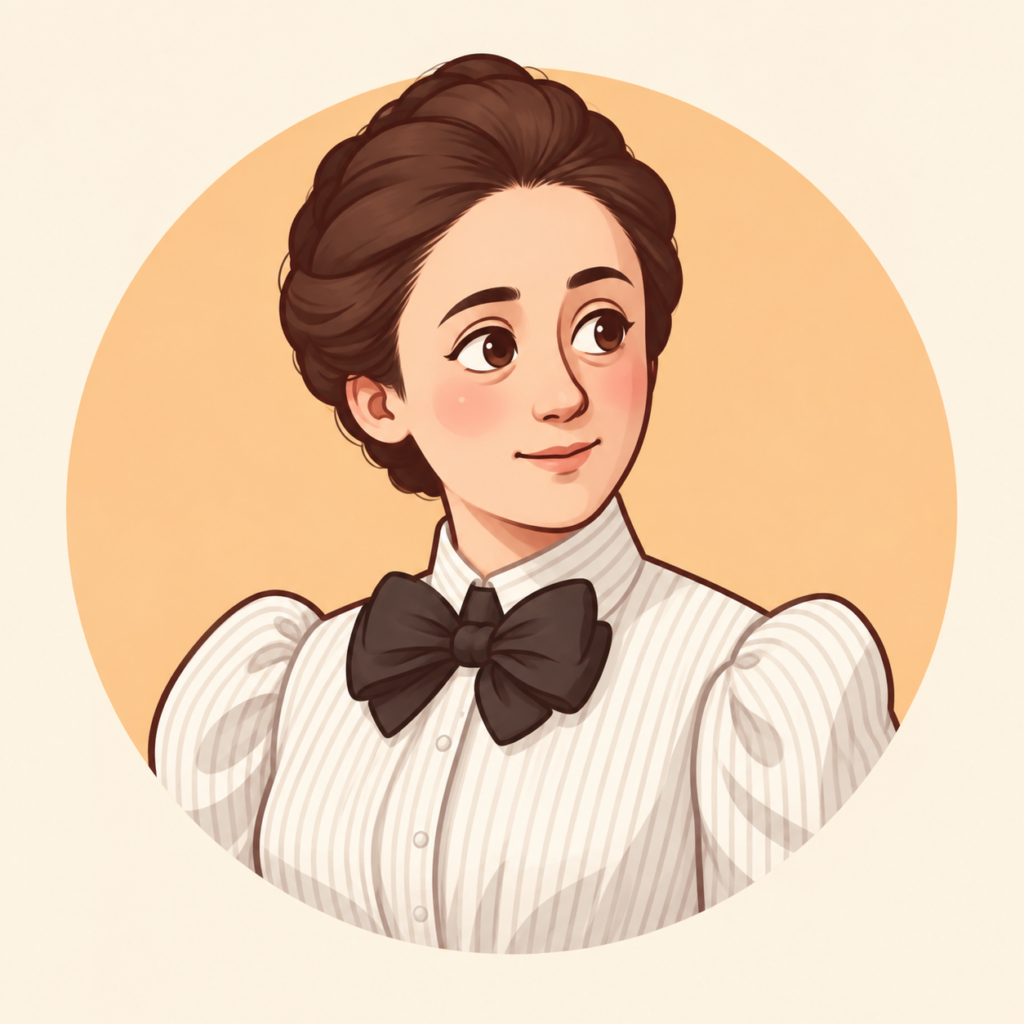
German mathematician regarded as the founder of modern abstract algebra, best known for Noether’s Theorem linking symmetry and conservation laws in physics.
Marie Skłodowska-Curie
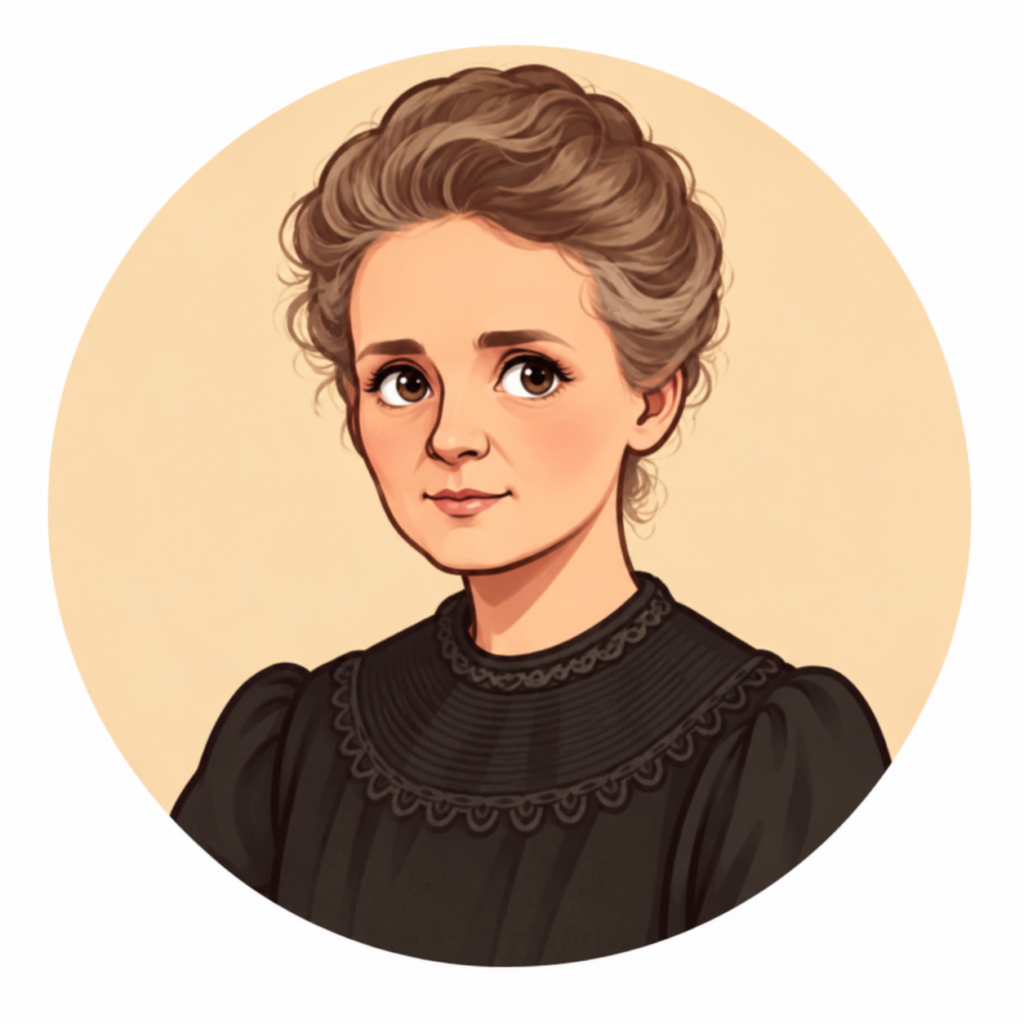
Polish-French physicist and chemist, pioneer of radioactivity research and the first person to win Nobel Prizes in two different sciences.
Florence Nightingale
British social reformer, statistician, and the founder of modern nursing. She came to prominence during the Crimean War, where she organized care for wounded soldiers.
Adolphe Quetelet

Belgian astronomer, mathematician, statistician, and sociologist. He founded and directed the Royal Observatory of Belgium and is known for introducing statistical methods to the social sciences.
Sophie Germain
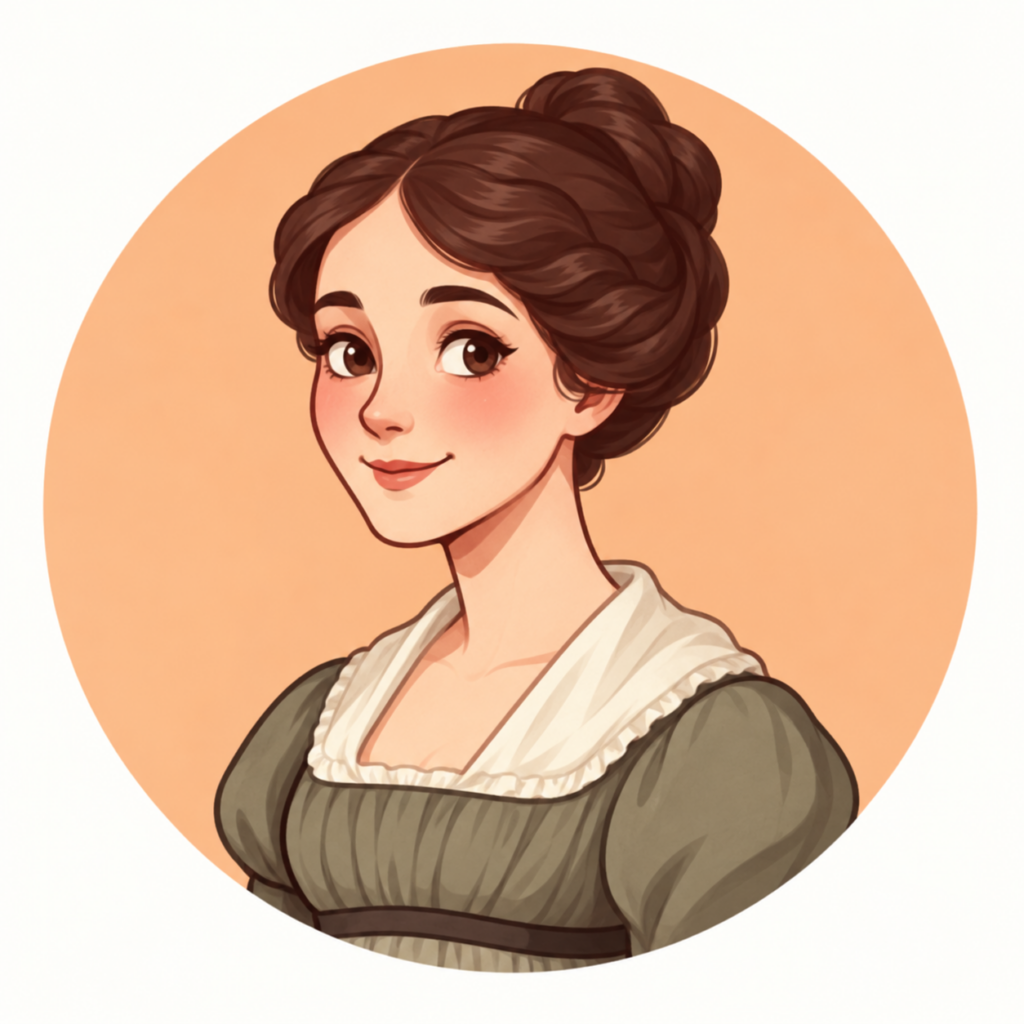
Self-taught French mathematician who made important contributions to number theory and elasticity theory, despite being denied formal education because of her gender.