

Ada Lovelace

English mathematician often considered the first computer programmer, for her pioneering notes on Charles Babbage’s early mechanical computer.
Alan Turing

British mathematician and logician, considered the father of computer science, who helped break the German Enigma code during World War II.
Marie Crous

French mathematician from the 17th century who wrote pioneering books on arithmetic and helped introduce decimal fractions in France.
Fibonacci

Italian mathematician who introduced Hindu-Arabic numerals to Europe and gave his name to the famous Fibonacci sequence.
Leonhard Euler
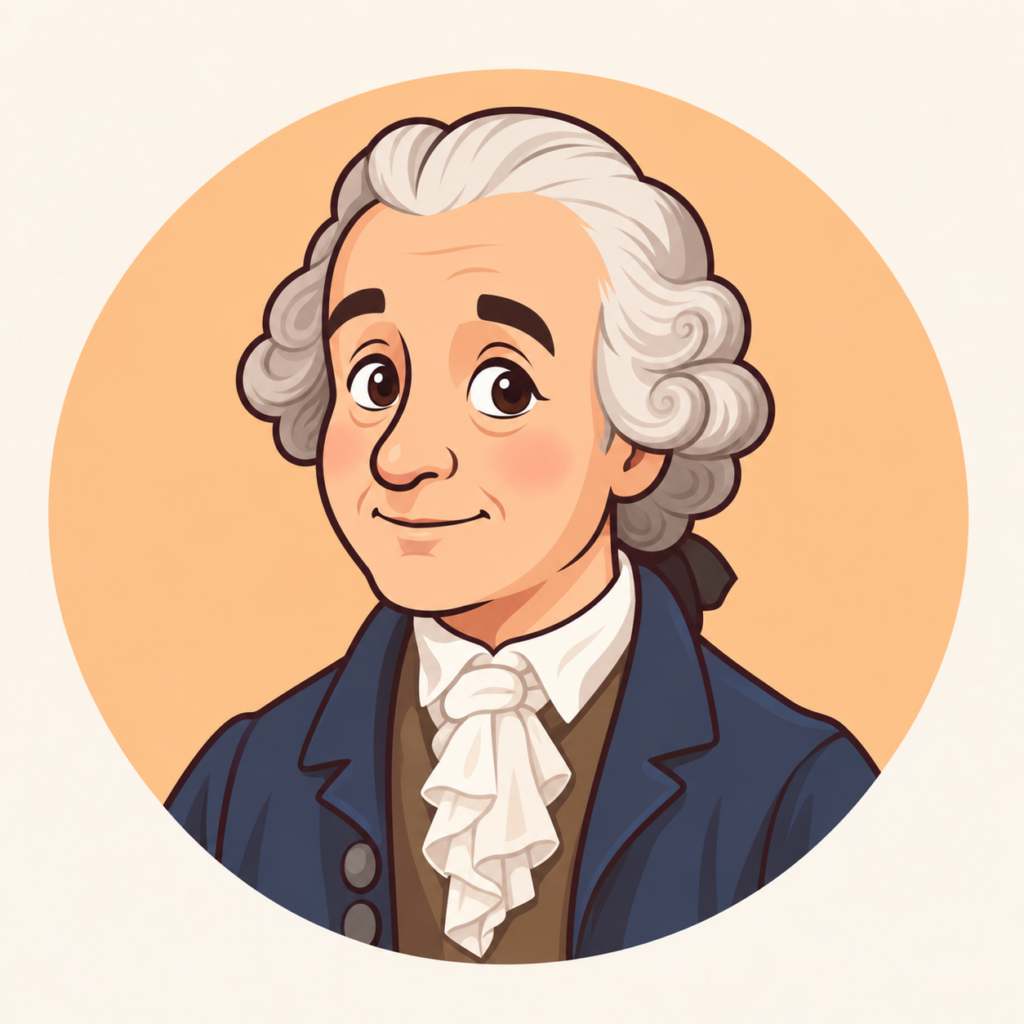
Swiss mathematician who worked in almost every field of science and introduced much of the mathematical notation still used today.
Thales de Milet
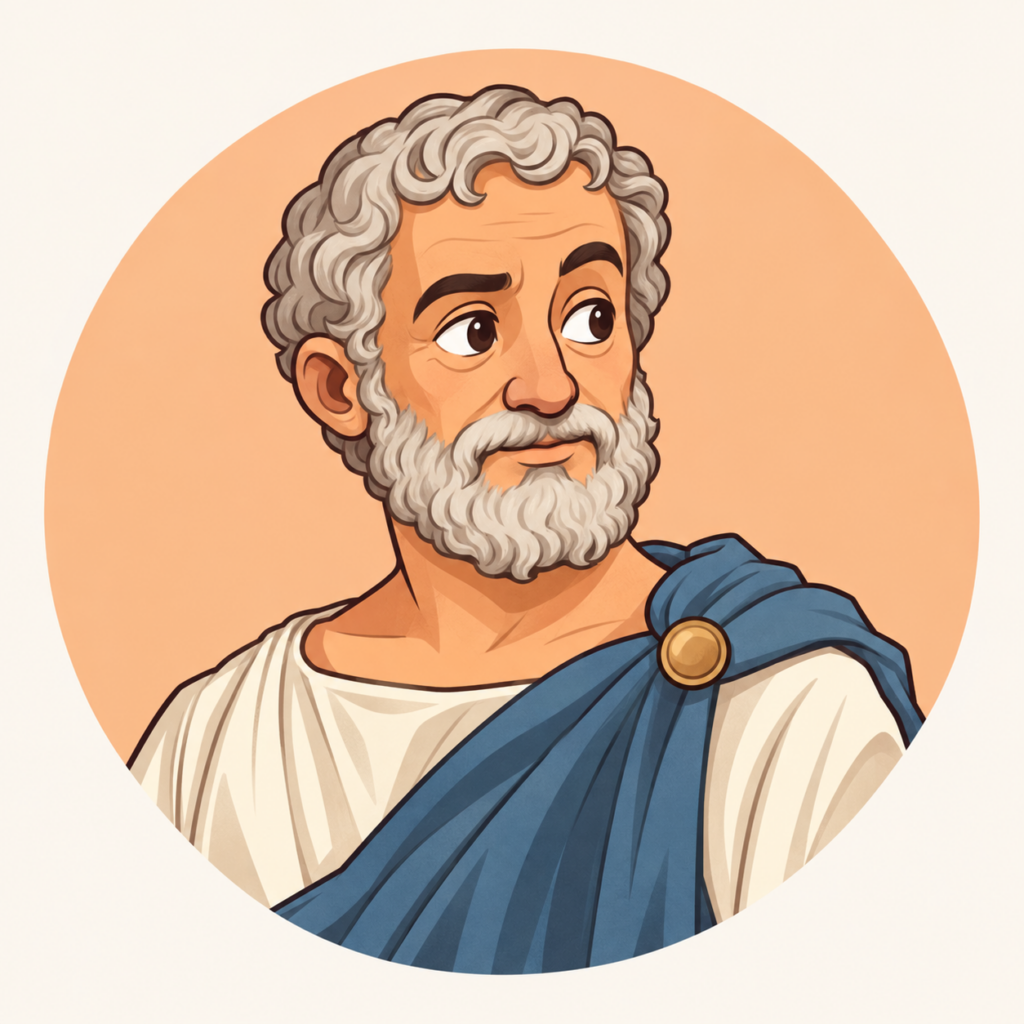
Ancient Greek philosopher, mathematician, and astronomer, widely considered the founder of Western philosophy and early geometry.
Pythagoras
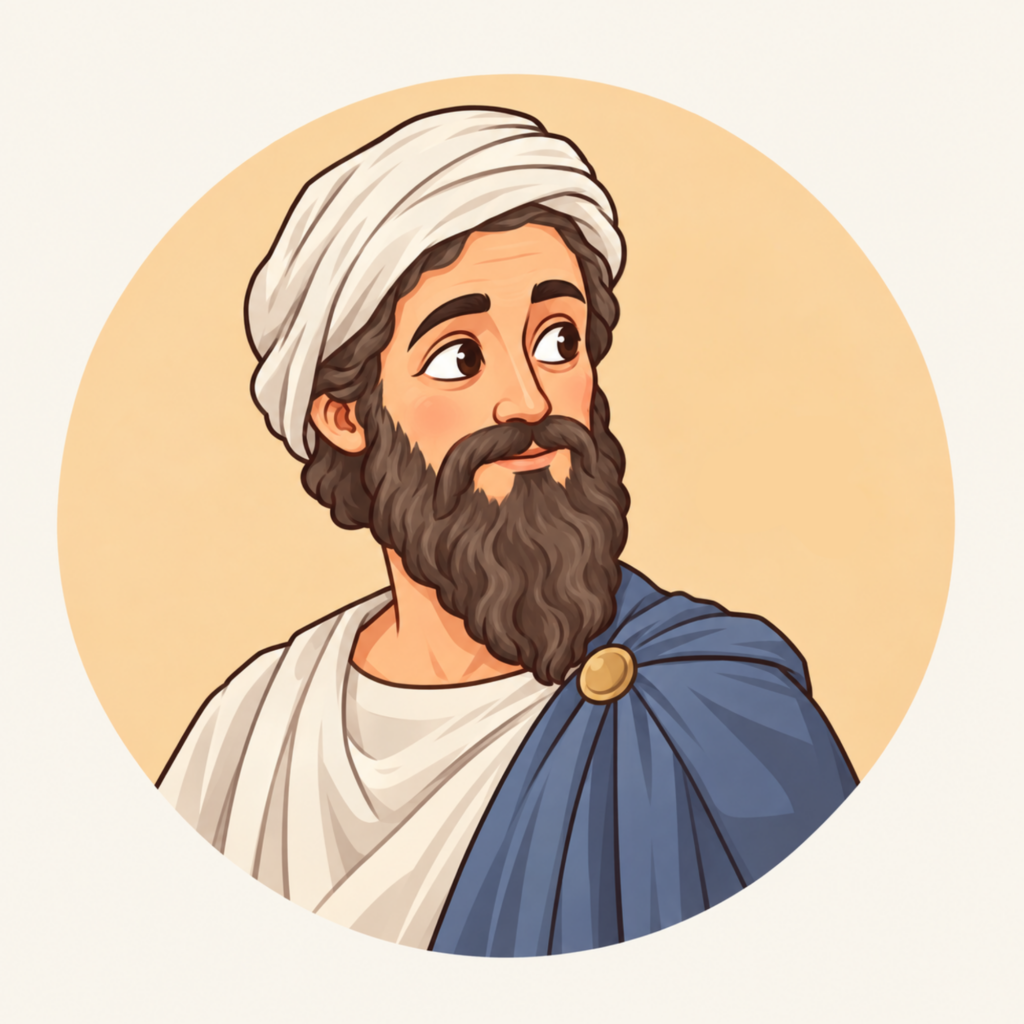
Ancient Greek philosopher and mathematician best known for the Pythagorean theorem and for founding the Pythagorean community.
Emmy Noether

German mathematician regarded as the founder of modern abstract algebra, best known for Noether’s Theorem linking symmetry and conservation laws in physics.
Florence Nightingale

British social reformer, statistician, and the founder of modern nursing. She came to prominence during the Crimean War, where she organized care for wounded soldiers.
Adolphe Quetelet

Belgian astronomer, mathematician, statistician, and sociologist. He founded and directed the Royal Observatory of Belgium and is known for introducing statistical methods to the social sciences.